
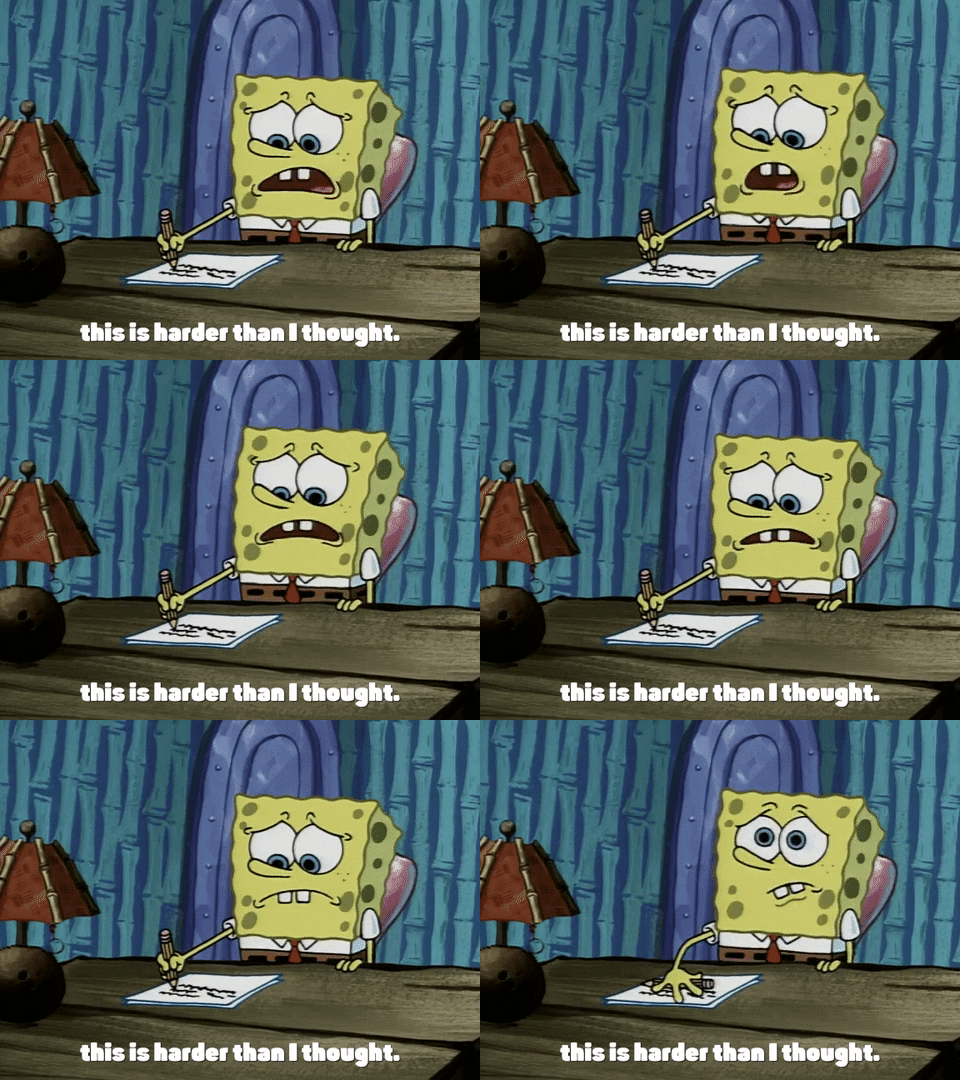
In Response of a Laboratory Rat– or Being Protocoled, Donald M. Murray discusses what it’s like to be studied while writing, as Carol Berkenkotter observed his writing process for her study Decisions and Revisions: The Planning Strategies of a Publishing Writer. Murray makes a comment that compares himself to a lab rat, expressing how awkward and vulnerable he felt as someone watched and analyzed his writing process. This shows how writing, can make people uncomfortable when put under a ‘microscope’.
Benkenkotters study focuses on how experienced writers, like Donald M. Murray, don’t write in a step-by-step manner. She discovered that Murray’s writing process is an ongoing 360. He came around to revisit ideas, change words, and adjust when a new thought came into his head. Using a method called “protocol analysis,” Berkenkotter recorded Murray’s thoughts as he wrote, this showed that Murray went back and forth during his writing process, and how he often rethinks. This helps us see that the revision process isn’t just about ‘fixing mistakes’. It is a way for us as writers to improve our writing, and explore new ideas.
Both of these pieces show that writing isn’t perfect, it is very unpredictable. Murray’s response gives us a view of how vulnerable writing can make a person feel, as Berkenkotter’s study reminds us that writing is a journey, and we never know where it is going to end up. In the end, both Murray and Berkenkotter encourage us as writers to accept revision as a huge part of the writing process, rather than think revision is the final step. Revision in the end gives us a chance to make our ideas blossom.


Leave a Reply