
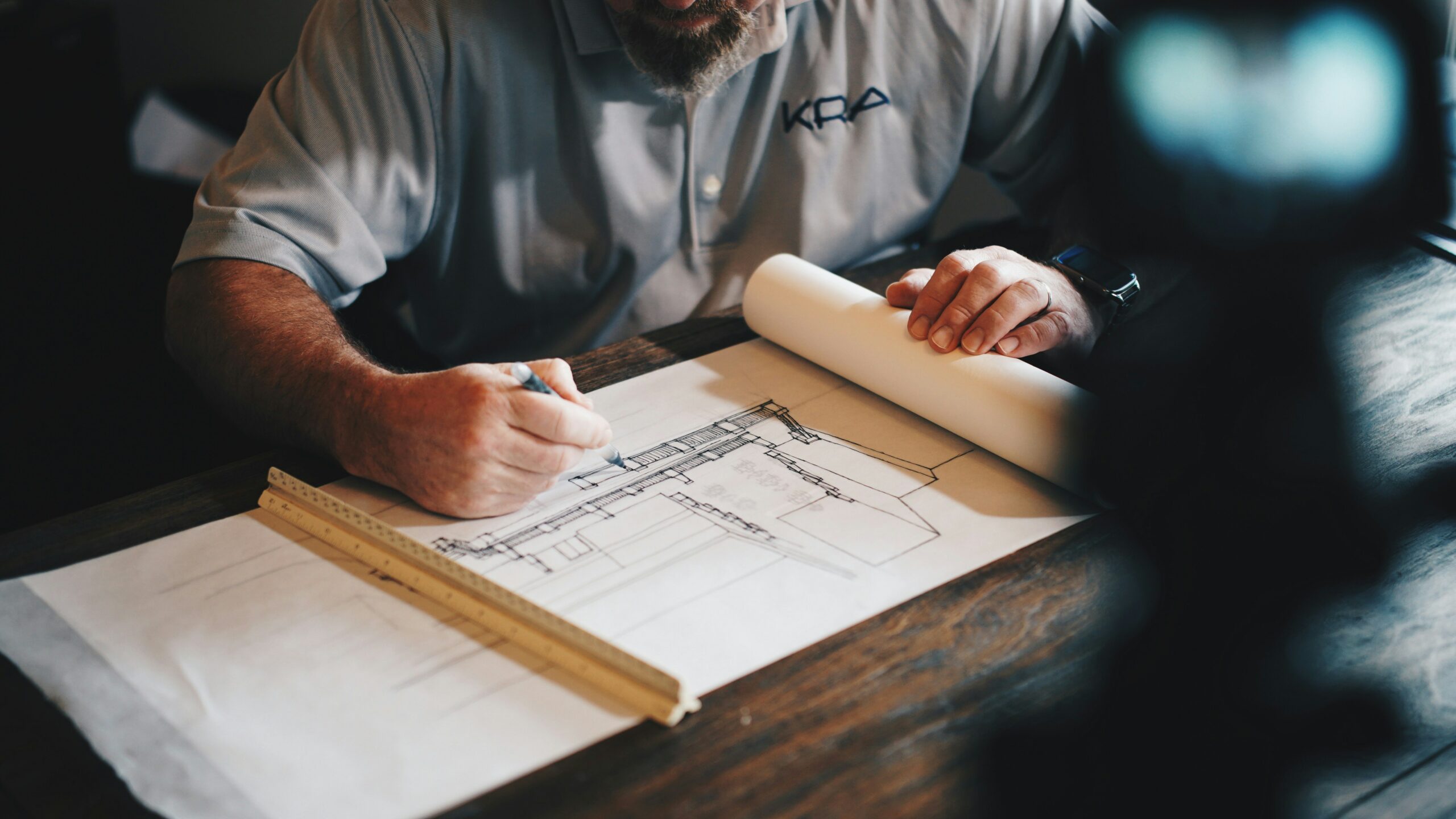
Writing is like building a house. It starts from nothing, until over time it grows to be something worth looking at, worth living in, and perhaps even remodeling in the future. It’s not something that can be done without an outline, or a blueprint for how the end result should look. Rather, every stage—from the base to the molding—is skillfully crafted to guarantee success and client satisfaction. But not every home is created alike. When I am writing, much like building a home, I tailor my writing to suit the audience I am speaking to. Similar ideas are discussed by E. Shelley Reid in her article “Ten Ways to Think about Writing: Metaphoric Musings for College Writing Student,” wherein she contends that writing must be flexible enough to adjust its style and content to suit the needs of various audiences and situations. For as long as I can remember, however, my writing’s recipient has always been my teachers. Sadly, this resulted in my work becoming stale and conforming to the same five-paragraph thesis structure that I had become accustomed to. Rather than developing into a strong writer, my work turned into just another tract house, and I became skilled at writing in accordance with the guidelines.
However, when I began writing outside of the classroom—whether it was in a journal, a poem, or just for fun—I discovered a new audience: myself. I didn’t have to worry about having a captivating hook or making sure each paragraph contained at least six sentences. Instead, I created a destination, and allowed myself to explore the different paths that could get me there. This changed my writing in a way that previous English classes had not allowed it to. I found my own voice and style, and even while I continued to follow the guidelines when necessary, it didn’t stop me from exercising my creative freedom and making stylistic choices when appropriate. Writing is never simple or straightforward. It can be difficult to approach, complex, and a pile of ideas. A skilled writer, however, understands that it is best to proceed piece by piece, brick by brick. Beginning with the foundation, see how the home is put together.


Leave a Reply