
When I heard we’d be remixing an old paper for ENG 2020, I couldn’t help but feel both excited and uncertain. It’s a unique opportunity to take something familiar and give it new life in an entirely different medium. This week’s reading, “An Introduction to and Strategies for Multimodal Composing” by Melanie Gagich, really connected to this process. Gagich explains how creating multimodal texts allows us to communicate our ideas more effectively by utilizing multiple forms of communication: linguistic, visual, spatial, gestural, and aural. Each mode contributes to shaping and enriching how others understand the story. As I worked on my remix project, I found myself leaning on these strategies to re-envision my own writing.
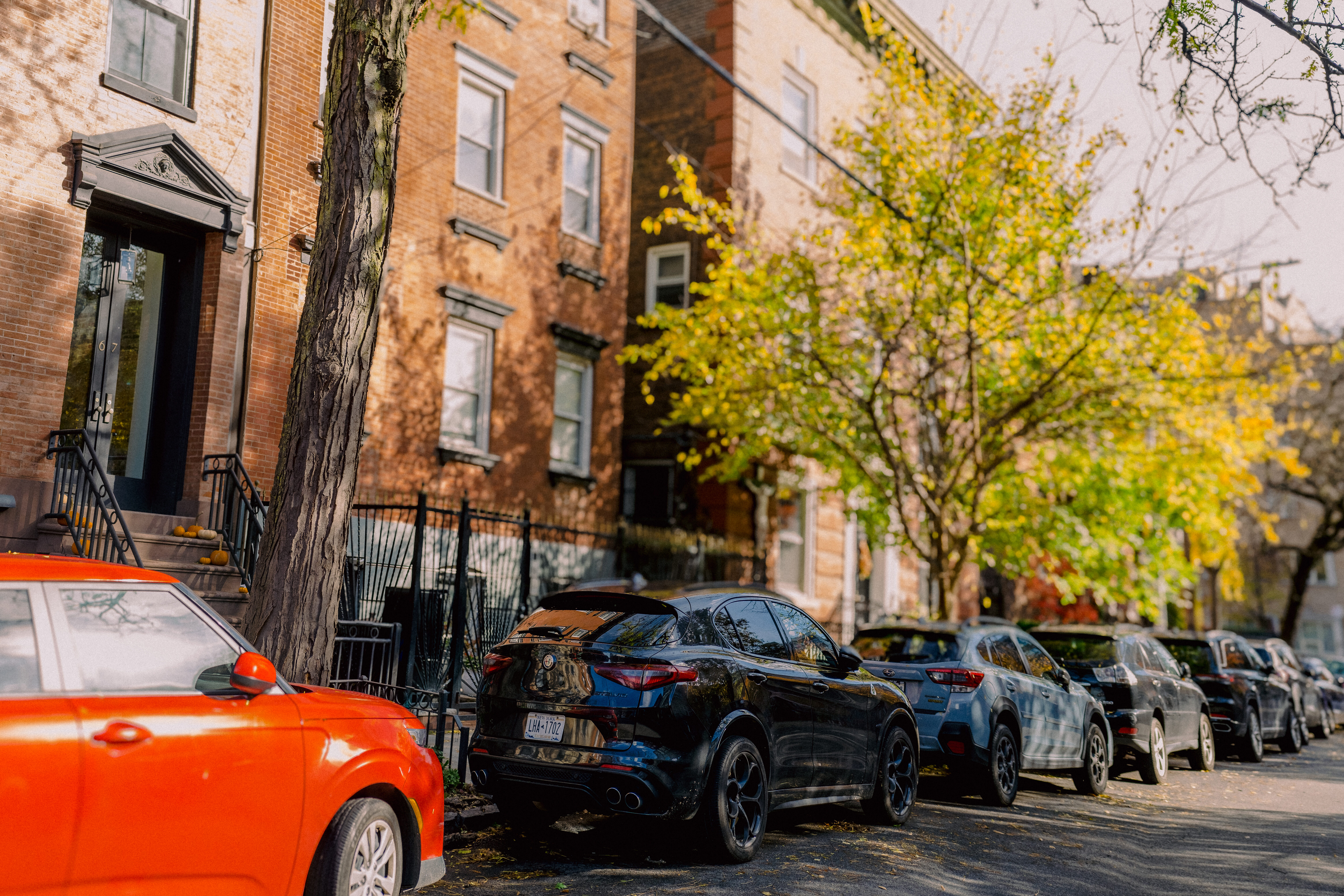
In my original ENG 3020 paper, I explored the barriers that gatekeep scholarly writing from undervalued communities, focusing on the role of discourse communities. Revisiting this topic, I decided to approach it as a visual narrative through a photography series, capturing two contrasting environments. I set an underfunded neighborhood and school compared to a wealthy neighborhood and private school side by side. The stark differences in their visual and spatial modes, which Gagich describes as powerful tools of communication, became a foundation to convey the narrative more vividly. I wanted to highlight how systemic inequities manifest not only in academic opportunities but in every aspect of a community’s daily experience, from household income to GreatSchools ratings.
The concept of multimodality taught me that each mode has its strengths in reaching audiences that words alone might not touch. Where my paper could detail the socioeconomic implications of underfunding, my photos reveal, in stark, unavoidable contrast, what disparity looks like. How old brick buildings and chipped paint stand against glossy whiteboards and quiet tree-lined streets. Gagich’s strategies on identifying rhetorical situations—the message, audience, genre, and medium—helped me frame the project clearly and align my visual elements with my intended audience: people unfamiliar with how deep the divide truly is. It’s a new perspective expressed through a new medium while the heart of my argument remains the same.
This remix assignment reminded me that writing is about making an impact. Document design, the thoughtful orchestration of various elements into a cohesive whole, extends beyond traditional essays. It breathes life into the message and allows ideas to take root in ways we might not expect. I’m excited to see how other students have reimagined their own projects and to continue experimenting with different modes of communication.


Leave a Reply